
It might be funny at first, but when your dog is constantly letting out gas, it can quickly become a concern—especially if it’s smelly or accompanied by other symptoms.
Excessive farting in dogs isn’t just an annoyance; it may signal an underlying problem.
In this guide, we outline the common reasons why a dog may fart excessively, what you can do at home, and when to seek veterinary care.
Table of Contents
Dog Excessively Farting: Why It Happens
When a dog is excessively farting, it usually means their digestive system is producing too much gas. This can result from swallowing air, eating the wrong foods, or having trouble digesting certain ingredients.
In some cases, excessive flatulence may indicate a more serious condition like gastrointestinal disease or parasitic infection.
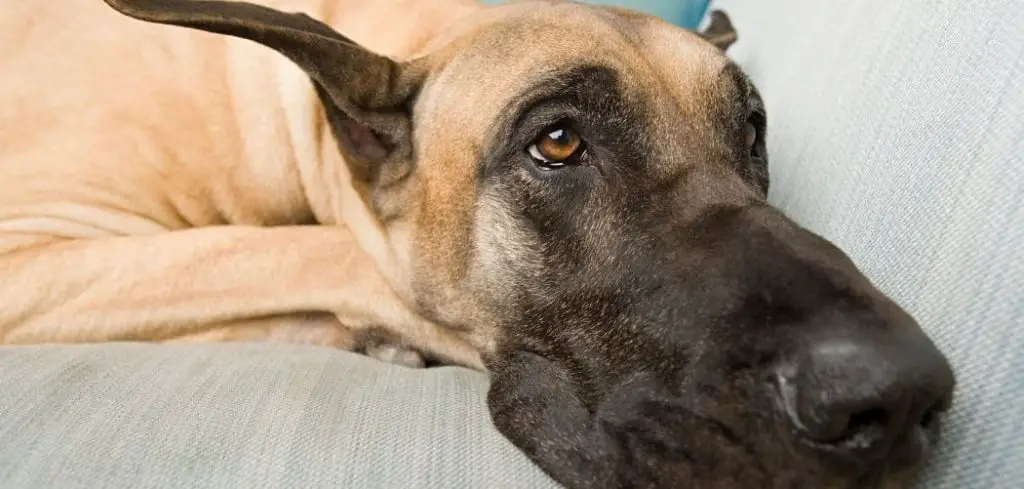
Is it normal for dogs to fart a lot?
Occasional gas is normal for dogs, especially after eating or when they swallow air while eating too quickly.
However, frequent or excessive farting is not considered normal and usually indicates digestive issues, such as poor-quality food, food intolerance, or difficulty digesting certain ingredients.
Breeds with short noses and dogs fed table scraps or high-fiber diets are more prone to gas. Persistent flatulence suggests something in the diet or gut isn’t being processed properly.
Dog has bad gas suddenly
Sudden foul-smelling gas in dogs is most often caused by a change in diet, eating spoiled food, table scraps, or something unusual picked up outdoors.
It can also occur with food intolerances, poor digestion, intestinal infections, or parasites.
Dogs that eat too fast swallow excess air, which worsens gas production. If sudden gas is accompanied by diarrhea, vomiting, loss of appetite, or lethargy, it may indicate a gastrointestinal illness that needs veterinary evaluation.
Read more: Dog has bad gas suddenly (Should you worry?)
Dog Excessive Farting in Dogs: Common Causes
Diet High in Fermentable Carbohydrates
Low-quality dog food or table scraps that contain high amounts of beans, soy, peas, or fiber can lead to excess gas production during digestion.
These ingredients ferment in the colon, producing foul-smelling gases that your dog will expel frequently.
Switching to a higher-quality, limited-ingredient diet can often reduce gassiness.
Related: Old dog farting a lot (Why it happens)
Food Intolerances or Sensitivities
Some dogs are sensitive to common ingredients like dairy, beef, chicken, or grains.
When a dog eats something they can’t properly digest, it leads to increased fermentation and gas.
Symptoms may also include soft stools, itching, or vomiting.
Read more: Dog Excessively Barking (Here’s what it means)
Swallowing Air (Aerophagia)
Dogs that eat too quickly or are overly anxious can swallow large amounts of air while eating.
This swallowed air often exits as flatulence. Using slow-feeder bowls or feeding smaller meals can help limit aerophagia.
Sudden Diet Changes
Abruptly switching your dog’s food can disrupt the balance of bacteria in their gut, leading to gas, bloating, and diarrhea.
Always transition gradually over 7–10 days to allow your dog’s digestive system to adapt.
Gastrointestinal Parasites
Worms and protozoa like Giardia can disrupt normal digestion and cause excessive gas, diarrhea, and weight loss.
Puppies and recently adopted shelter dogs are especially vulnerable.
Routine fecal exams and deworming can help rule out parasites as a cause.
Inflammatory Bowel Disease (IBD)
Chronic inflammation in the digestive tract can interfere with food absorption and lead to gas buildup.
IBD is often accompanied by vomiting, diarrhea, weight loss, and loss of appetite.
This condition typically requires veterinary diagnosis and long-term management.
Bacterial Overgrowth
An imbalance in gut bacteria can result in the overproduction of gas.
This is more common in dogs with previous antibiotic use, poor diet, or other underlying health issues.
Probiotics or prescription diets may be needed to restore a healthy gut flora.
Pancreatic Insufficiency
When a dog’s pancreas doesn’t produce enough digestive enzymes, food isn’t broken down properly, leading to fermentation and gas.
This condition, called Exocrine Pancreatic Insufficiency (EPI), can also cause weight loss and loose stools.
It’s diagnosed via lab tests and treated with enzyme supplementation.
Related: Dog has bad gas and not eating (What it means)
Do dogs’ farts smell?
Yes, dog farts can smell—and sometimes very strongly—because their digestive system produces sulfur-containing gases when food isn’t properly broken down.
The odor is often worse if a dog eats fatty foods, protein-rich diets, or foods their body doesn’t tolerate well.
Occasional smelly gas is normal, but frequent or unusually foul odor usually means something in the diet or digestive tract isn’t agreeing with the dog.
Dog keeps farting and it stinks
Persistent, strong-smelling flatulence usually points to poor digestion or fermentation of food in the gut. Common causes include low-quality dog food, high-fiber diets, dairy consumption, food allergies, or imbalanced gut bacteria.
Certain breeds—especially brachycephalic dogs—are more prone to excessive gas due to swallowed air.
Chronic smelly gas that doesn’t improve with dietary changes may signal conditions such as inflammatory bowel disease or malabsorption.
Dog excessive gas and diarrhea
When excessive gas occurs alongside diarrhea, it often points to gastrointestinal upset. Common causes include dietary indiscretion (eating something they shouldn’t), sudden food changes, food allergies, intestinal parasites, bacterial overgrowth, or infections.
The combination of gas and loose stools means food is moving too quickly through the intestines, preventing proper digestion.
If diarrhea lasts more than 24–48 hours or is accompanied by vomiting, blood, or lethargy, veterinary care is important.
Read more: Dog loose stool and gas (Causes explained)
Dog Excessively Farting and Vomiting
Excessive farting combined with vomiting can indicate a more serious digestive problem. Causes may include dietary indiscretion (eating spoiled food or garbage), gastrointestinal infection, inflammatory bowel disease, pancreatitis, or food allergies.
The combination increases the risk of dehydration and electrolyte imbalance, particularly if episodes are frequent.
Immediate veterinary evaluation is recommended, as the underlying cause may require medications, dietary changes, or fluids to stabilize the dog. Ignoring these symptoms can worsen the dog’s overall health.
Why does my dog fart so much at night?
Dogs often pass more gas at night because their body is at rest, digestion slows, and gas builds up after the day’s meals.
Evening feeding, lying down for long periods, or eating late-night treats can all contribute.
Nighttime farting may also be more noticeable because the environment is quieter. If excessive nighttime gas is new or worsening, it may indicate digestive upset, food sensitivity, or intestinal imbalance.
Old dog farting excessively
Excessive gas in senior dogs is often related to age-related digestive changes. As dogs age, their ability to digest food efficiently can decline, leading to fermentation and gas buildup.
Dental problems, reduced stomach acid, chronic conditions, medications, or food sensitivities may also contribute.
In older dogs, persistent flatulence can sometimes signal underlying issues such as pancreatitis, inflammatory bowel disease, or organ dysfunction and should not be ignored.
My dog has bad gas: What can I give him naturally?
If your dog’s flatulence is occasional or mild and they’re otherwise healthy, simple changes at home can help support digestion.
Try feeding a high-quality, low-residue diet with limited ingredients. Avoid giving table scraps or foods known to cause gas (like beans, dairy, or broccoli).
Use a slow-feeder bowl if your dog eats quickly. Regular exercise also helps stimulate digestion and reduce gas buildup.
Plain canned pumpkin (in small amounts), probiotics designed for dogs, and smaller, more frequent meals can improve gut balance.
Fresh water should always be available. If natural measures don’t improve the gas within a few days, or symptoms worsen, a vet visit is recommended.
When to Call or Visit Your Vet
See your vet if your dog:
Has ongoing or worsening flatulence.
Shows signs of discomfort, bloating, or abdominal pain.
Has diarrhea, vomiting, or appetite changes.
Loses weight or becomes lethargic.
Has very foul-smelling gas regularly.
These signs could point to an underlying condition that needs diagnosis and treatment.
Read more: Dog panting and bad gas (Is it serious?)
Dog Excessively Farting: Treatment
Treatment for excessive farting in dogs depends on the underlying cause:
- Dietary management: Feeding high-quality, easily digestible food, avoiding table scraps, and introducing dietary fiber gradually.
- Slow feeding: Using slow-feeder bowls or smaller, frequent meals to reduce air swallowing.
- Probiotics: Can help balance gut bacteria and improve digestion.
- Medication: In some cases, veterinarians may prescribe digestive enzymes or anti-gas medications.
- Address underlying health issues: If gas is caused by infection, parasites, allergies, or gastrointestinal disease, targeted treatment will be necessary.
Proper management can reduce excessive gas, improve digestion, and enhance the dog’s comfort and overall health.
Key Takeaway
While occasional farting is normal in dogs, excessive or smelly gas may point to diet-related issues or gastrointestinal disorders.
Pay attention to what your dog eats, how fast they eat, and any accompanying symptoms.
Simple diet adjustments often help, but persistent flatulence should be checked by a veterinarian to rule out more serious causes.
With proper care, you can help your dog pass gas less frequently—and more comfortably for everyone in the house!